

Hypertension is the leading modifiable risk factor for cardiovascular diseases. In Bangladesh, the prevalence is 40.7%, accounting for 13.4% of disability-adjusted life years (DALYs) and 27.5% of cardiovascular-related mortality. In Pakistan, prevalence reaches 46.2%, with 12.4% of DALYs and 22.0% of deaths attributed to hypertension. However, 60–70% of individuals remain undiagnosed or untreated, and more than 60% of those diagnosed have uncontrolled blood pressure.
High blood pressure, the “silent killer” affects nearly 40–46% of adults in Bangladesh and Pakistan. Many remain undiagnosed or untreated, contributing to thousands of preventable deaths each year.
COPE-BP (2025–2030) is led by the University of York (UK) and co-led by the ARK Foundation (Bangladesh), in partnership with Khyber Medical University (Pakistan), the University of Glasgow (UK), and the University of Oxford (UK), and funded by the National Institute for Health and Care Research (NIHR).
Pharmacies are often the first place people go when they feel unwell, especially in areas where doctors are hard to reach. Under COPE-BP, pharmacists will work closely with doctors to:
The project will test whether community pharmacies can help improve blood pressure control. If successful, COPE-BP could help 35 million people, prevent 62,000 deaths annually, and reduce healthcare costs in the target countries.
This study is funded by the National Institute for Health and Care Research (NIHR) [Grant ID: NIHR206976], using UK International Development funding from the UK Government to support global health research. The views expressed on this website are those of the programme leads and not those of the NIHR or the Department of Health and Social Care.
NIHR Global Health Research
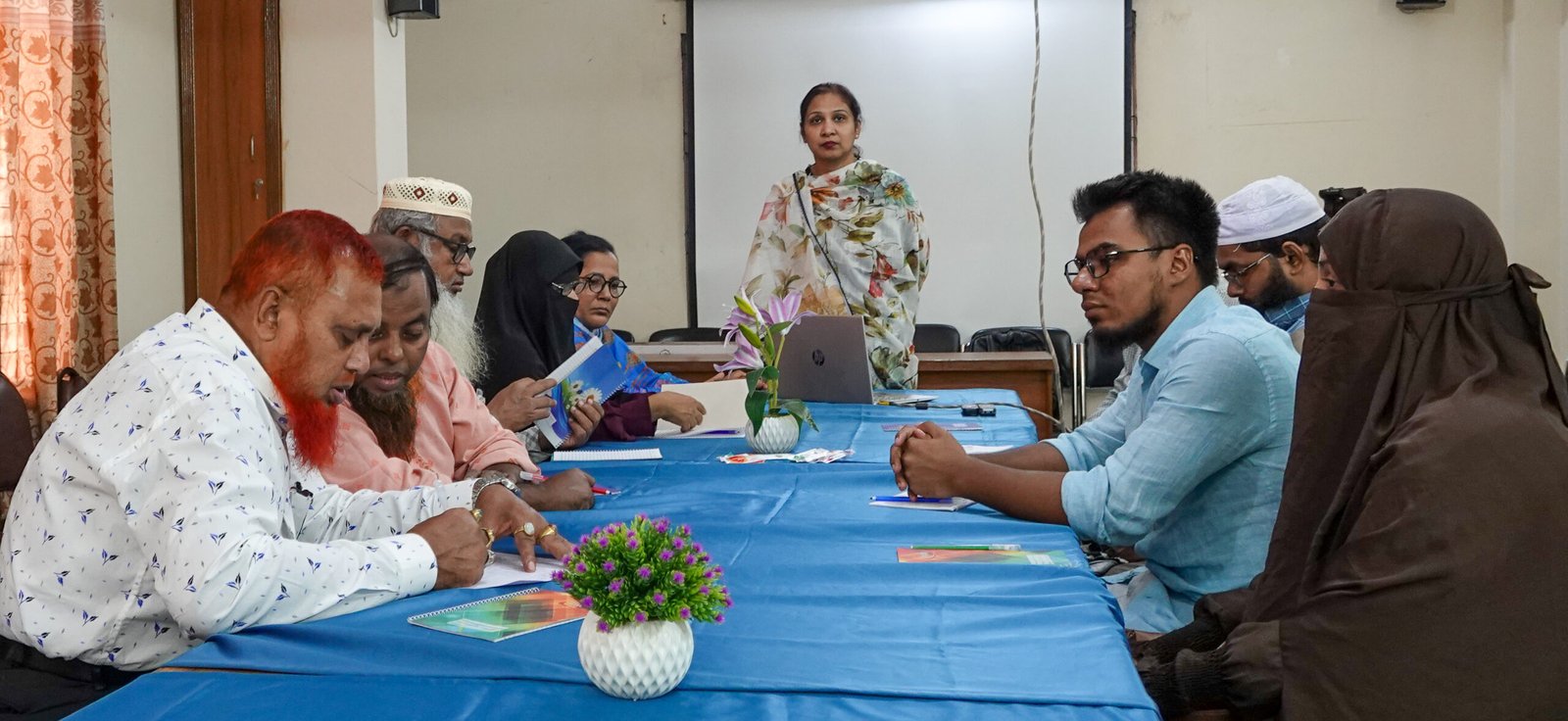
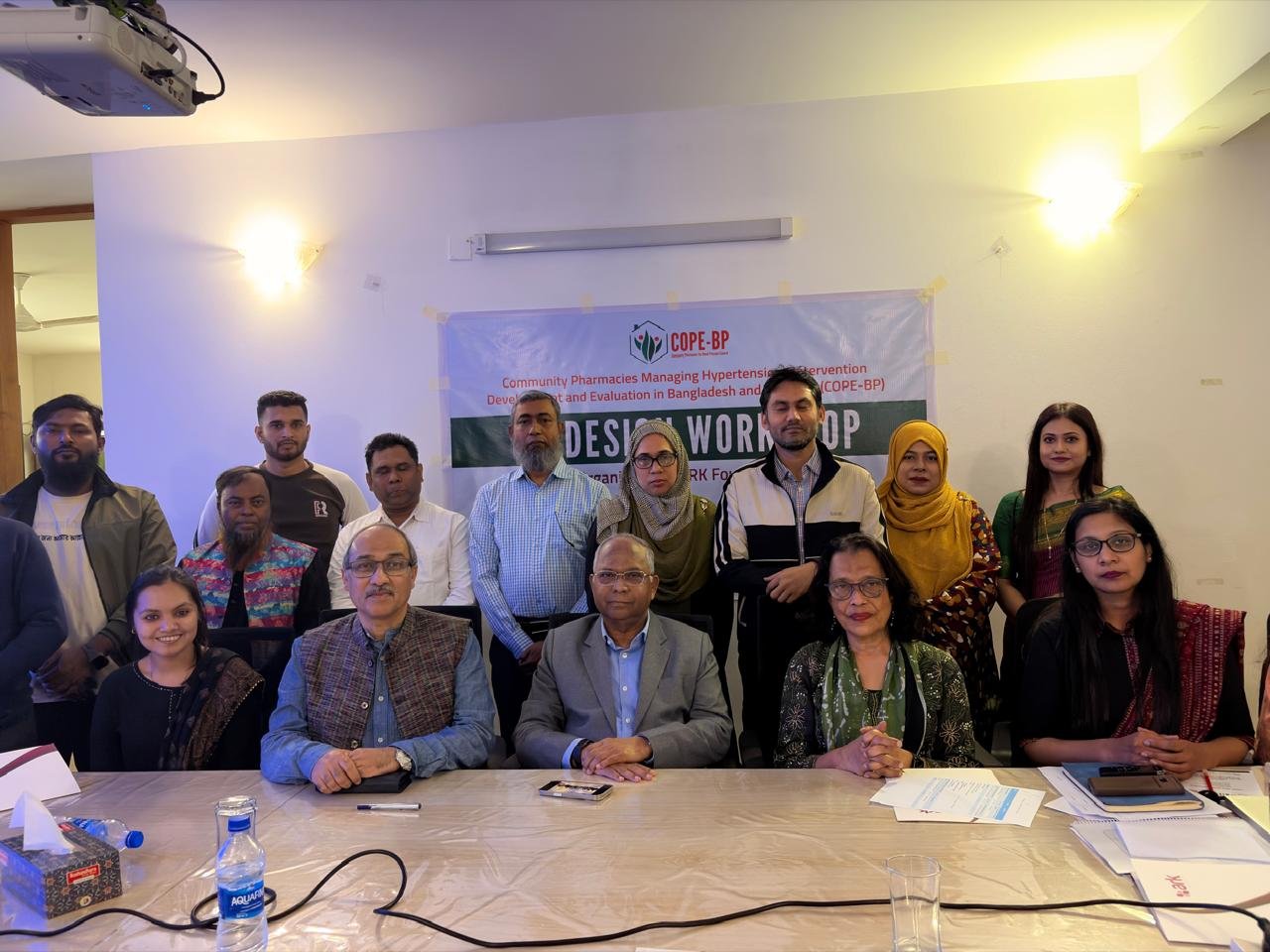
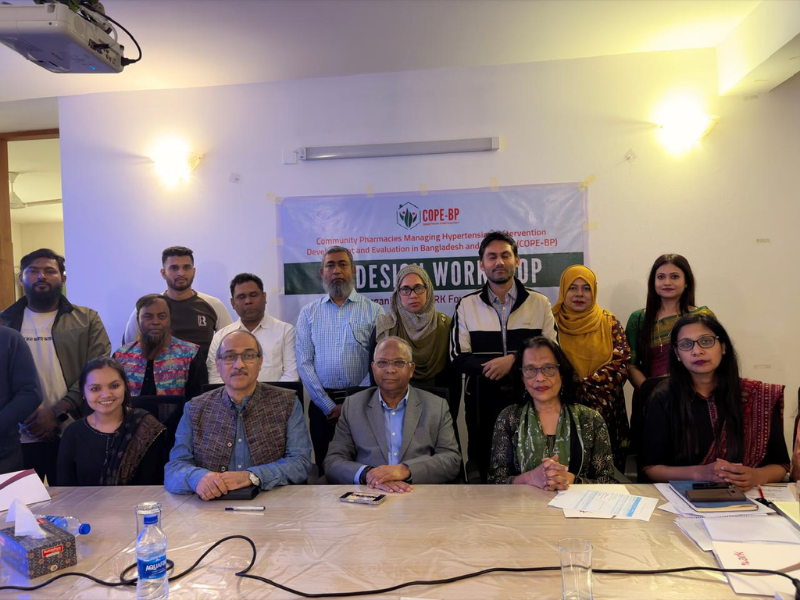
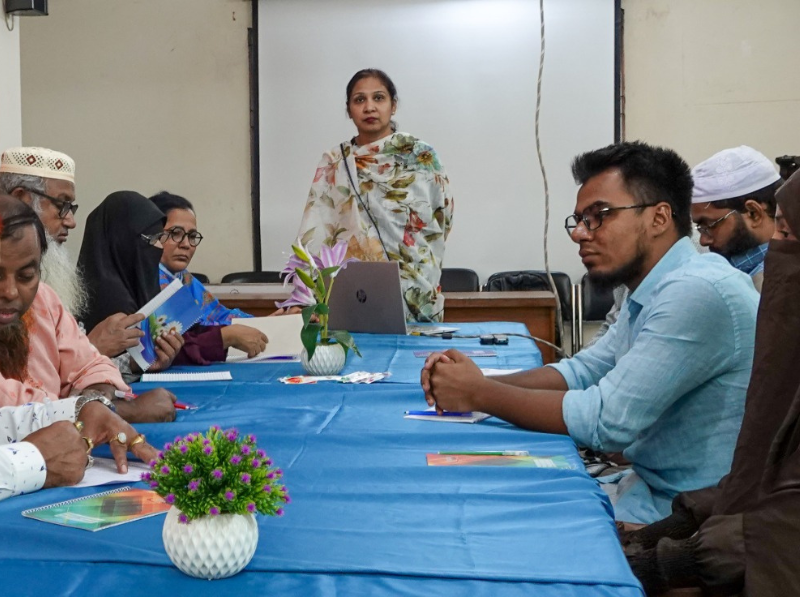
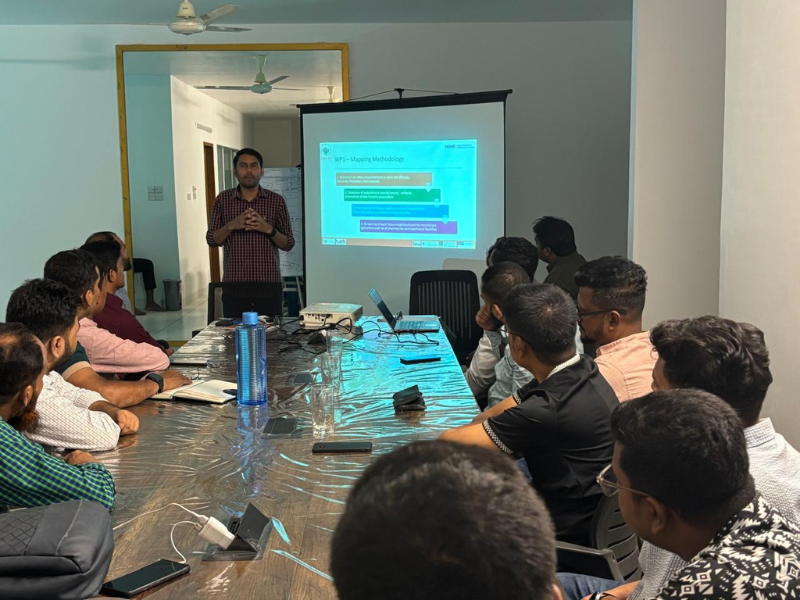
The COPE-BP co-creation workshop was held in Dhaka to refine...
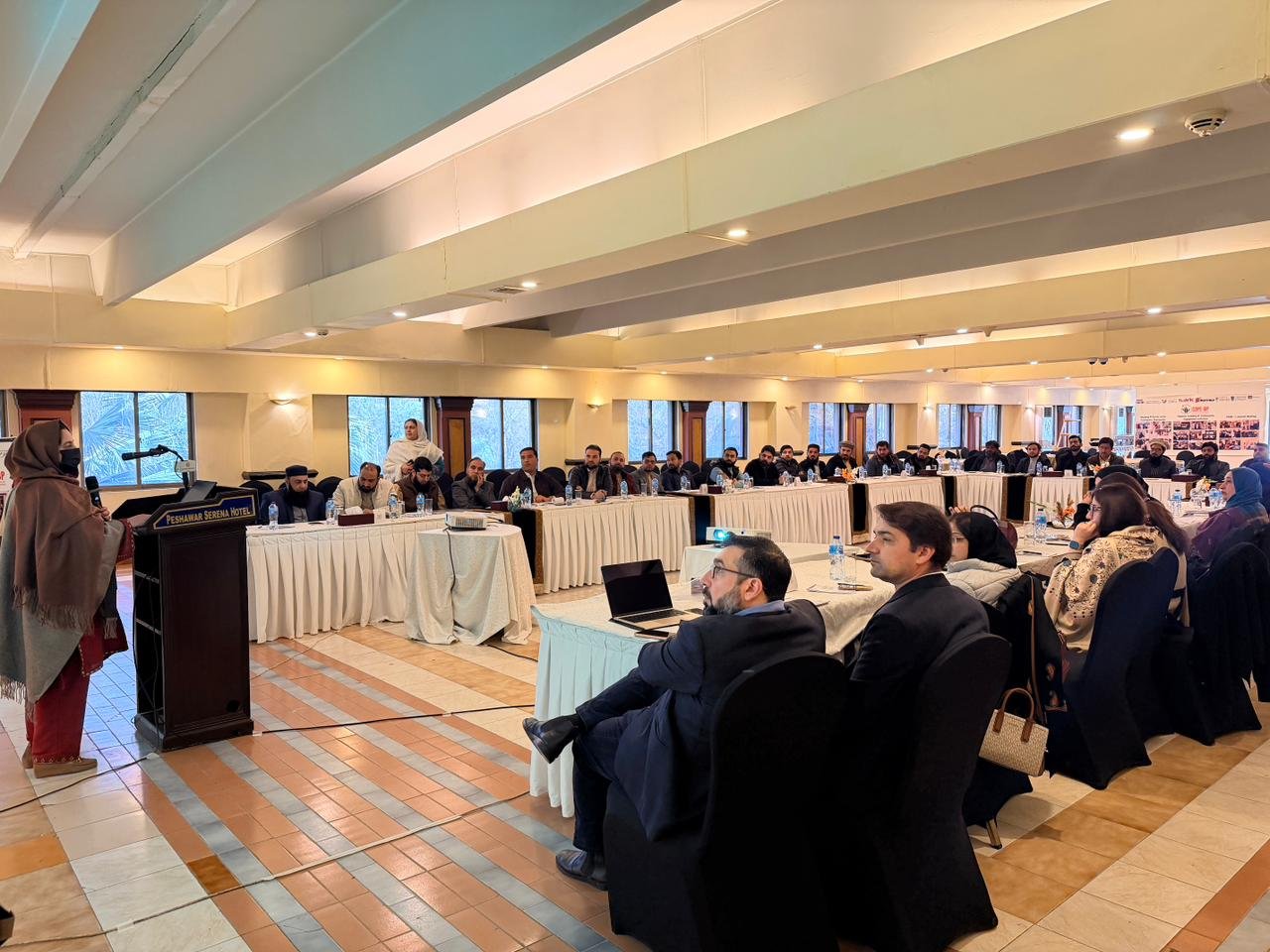
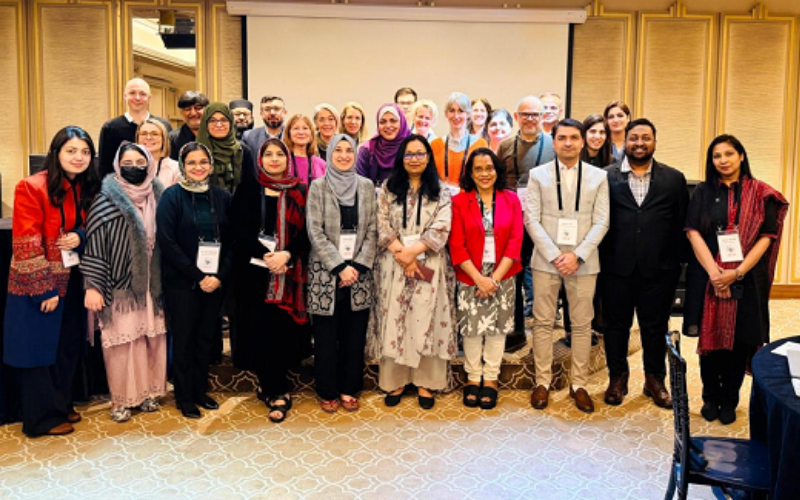
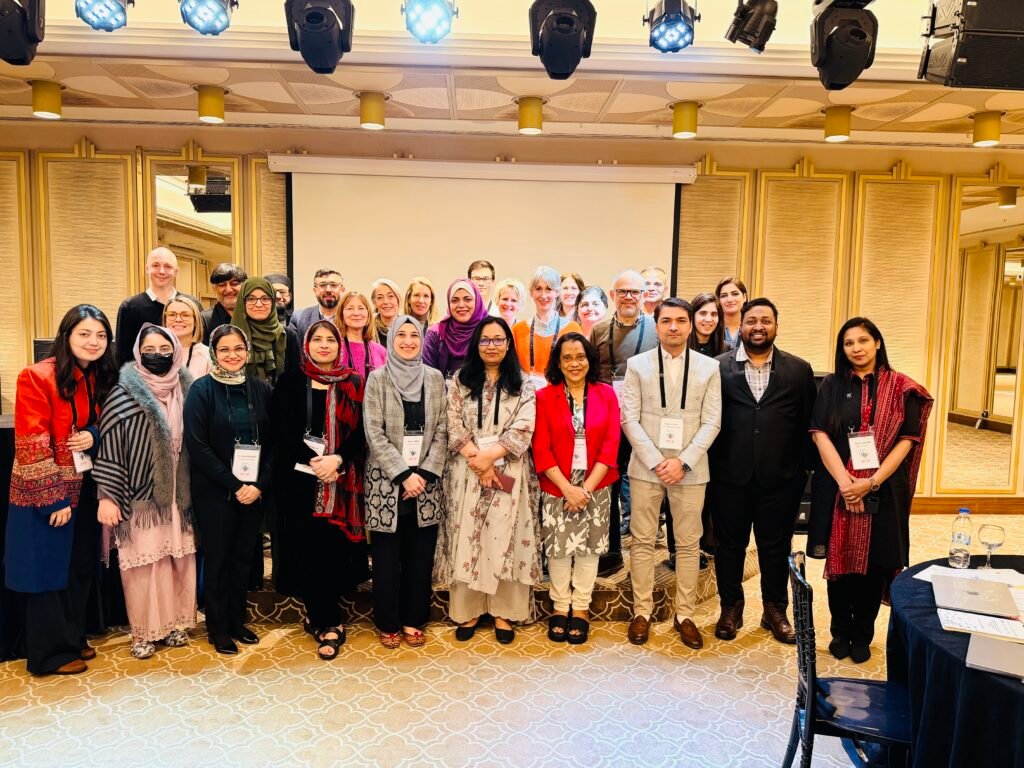
The COPE-BP annual meeting took place in Turkey from December...
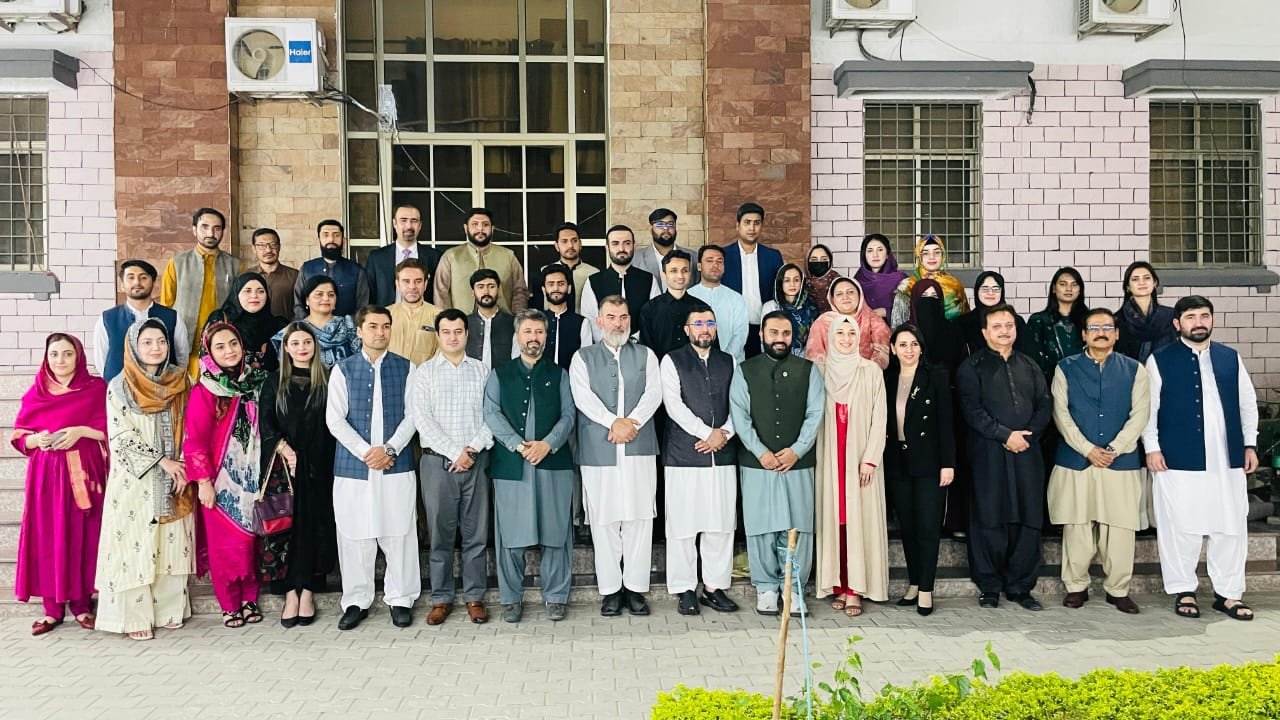
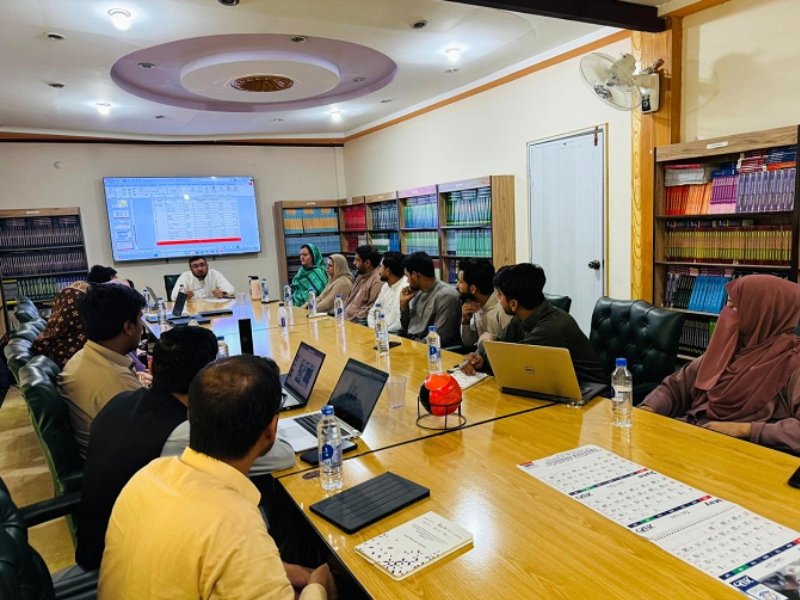
The CAP meeting is a community engagement activity of the...
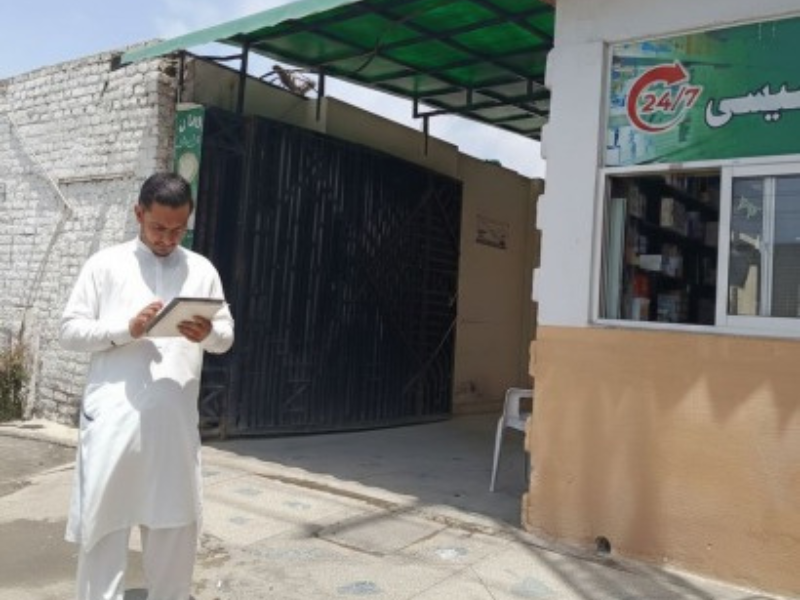
A COPE-BP team member in Pakistan mapping pharmacies in University...
During COPE-BP Mapping, the Abbottabad team is mapping community pharmacies...
The COPE-BP team visited low-income urban areas in Dhaka and...
Making a difference in communities across South Asia


Making a difference in communities across South Asia


How we’re making a difference

We provide comprehensive training for pharmacists and their staff on hypertension screening, counseling, and follow-up care.
We equip pharmacies with validated blood pressure monitors and educational materials for patient education.

We conduct awareness programs to help communities understand hypertension risks and the importance of regular screening.

We implement quality assurance protocols to ensure accurate blood pressure measurement and adherence to guidelines.
Led by Experts in Global Health
Subscribe for project updates, collaboration opportunities, and research insights on community-driven hypertension care.
We are committed to delivering community-driven care that empowers local pharmacies to play a proactive role in reducing high blood pressure and minimizing cardiovascular risks among low-income urban residents across Bangladesh and Pakistan.